J Health Behav Med Hist 2025-2
The mutual relationship between work and substance use: the need for ADM policy in organizations
Robert C. van de Graaf, MD, director
MEDTCC Institute for Health, Behaviour, Medicine and its History, The Netherlands
The double-edged sword of substance use in the workplace
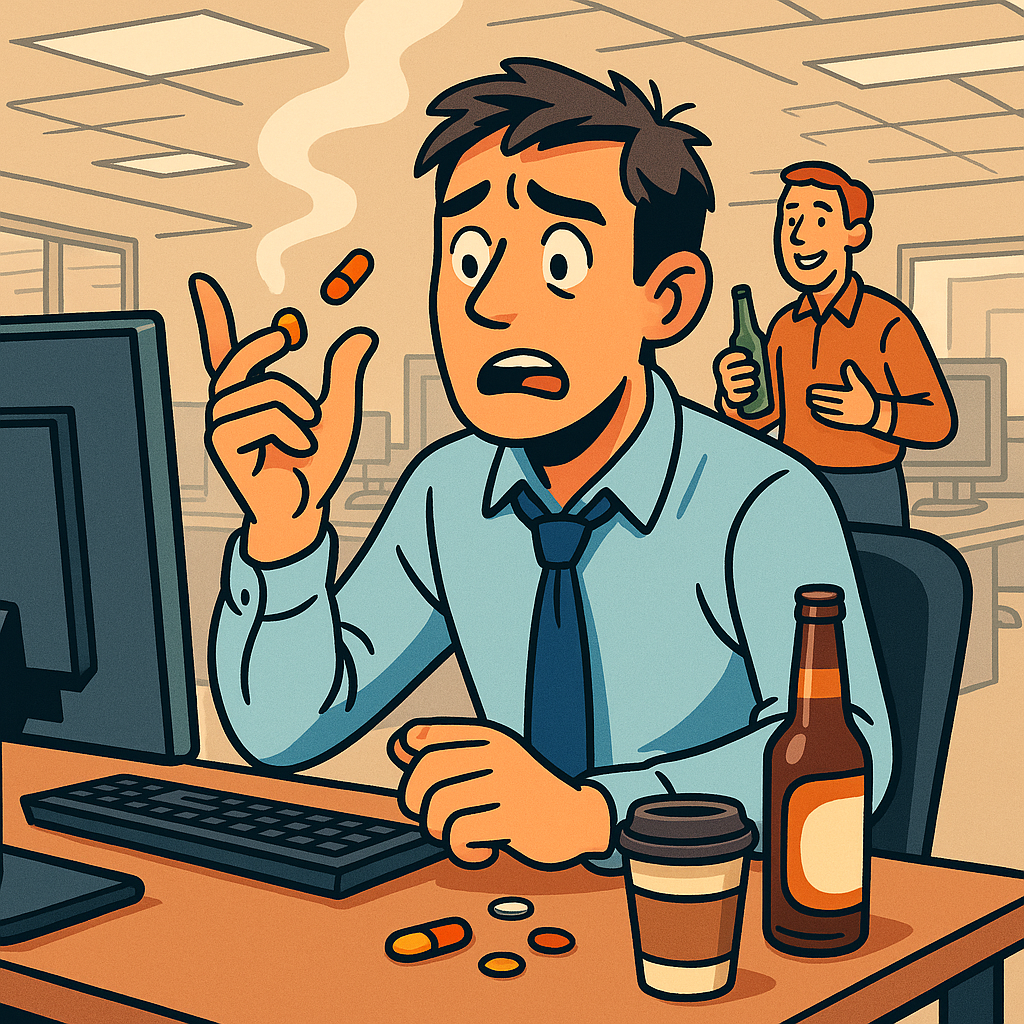
Work and substance use have been intertwined throughout human history [Frone, 2019]. In certain contexts, substances can offer short-term benefits. Alcohol has long facilitated networking and social bonding in corporate settings, breaking down barriers between colleagues and business partners. Stimulants like caffeine, nicotine, amphetamines, or cocaine help employees stay alert and focused during long meetings and tight deadlines. After a stressful day, many turn to substances to unwind and recharge.
However, this is only one side of the coin. Unchecked substance use can seep into work hours, impairing judgment, slowing reaction times, and increasing the risk of errors and accidents. What begins as an occasional coping mechanism can escalate into problematic use, leading to presenteeism – where employees are physically present but perform well below their potential or absenteeism. The substances that once seemed beneficial become a liability, not only for the individual but for the entire organization.
How work environments shape substance use
Many organizations overlook a critical reality: work environments don’t just suffer from substance use – they actively contribute to it. High-pressure environments, tight deadlines, mentally or physically demanding jobs, and job insecurity often drive employees toward alcohol, drugs, or psychoactive medications as coping mechanisms.
In industries where social drinking is normalized, employees may feel pressured to join in to fit the culture. Night shifts and irregular schedules disrupt natural sleep patterns, leading workers to rely on stimulants to stay awake or depressants to unwind. The availability of substances also plays a role – whether alcohol is served at work events, drugs circulate in high-risk professions, or medication is easily accessible in healthcare facilities, consumption inevitably increases.
The consequences of ignoring ADM policies
This dynamic highlights a crucial point: implementing a comprehensive Alcohol, Drugs, and Medication (ADM) policy is not a luxury – it is essential for any organization that values its workforce and operational success.
Ignoring substance use in the workplace poses serious health and safety risks. Alcohol, drugs and certain medication impair cognitive function, slow reaction times, and increase the risk of workplace accidents or inappropriate behaviour. Employees struggling with substance use are more likely to call in sick, leading to staffing shortages and added strain on colleagues. Even when present, their productivity declines, resulting in costly mistakes and reduced team performance.
Substance use also disrupts workplace dynamics, creating resentment among coworkers who must compensate for underperforming team members. Moreover, without clear ADM policies, organizations expose themselves to legal and reputational risks. A single preventable accident linked to substance use can be catastrophic for an organization’s credibility.
Conversely, organizations that foster a healthy and safe workplace culture can significantly reduce the harmful impact of substance use. By implementing proactive ADM policies and creating a supportive work environment, companies can safeguard employee well-being and boost productivity. Strong leadership, clear guidelines, and effective support systems promote healthier coping strategies and help prevent substance related problems.
Integrating ADM Policy into a Comprehensive Healthy and Safe Consuming Policy (HSCP)
In this journal, we will take a closer look at the Alcohol, Drugs, and Medication (ADM) policy as a core element of the comprehensive Healthy and Safe Consuming Policy (HSCP). We will explore how ADM policy plays a vital role in preventing substance-related harm in the workplace and how it seamlessly connects with other essential consumption policies, such as smoke (and vape)-free policies, responsible private screen use during work (e.g., online shopping, social media, and gambling), excessive chair use, and unhealthy (junk) food consumption. By highlighting the interconnectedness of these policies within the HSCP framework, we aim to provide organizations with a comprehensive and integrated approach to fostering a healthier and safer work environment.
References:
Frone, M. R. (2019). Employee Psychoactive Substance Involvement: Historical Context, Key Findings, and Future Directions. Annual Review of Organizational Psychology and Organizational Behavior, 6, 273–297.
J Health Behav Med Hist 2025-2